CNC (Computer Numerical Control) machines are essential for modern manufacturing, known for their precision and efficiency. Over time, even the best machines face wear and reduced performance, but instead of purchasing a costly new machine, CNC refurbishment offers a cost-effective solution to extend the machine’s lifespan and restore its original functionality. In this blog post, we’ll guide you through the entire CNC refurbishment process, explaining each stage in detail and why it’s a smart choice for your business.
1. Initial Assessment and Inspection
The CNC refurbishment process starts with a thorough assessment of the machine. This initial inspection helps technicians identify areas that need repair or replacement, ensuring the machine’s problems are fully understood before work begins.
Mechanical components: The frame, spindle, and moving parts are checked for wear and tear.
Electrical systems: Power supplies, wiring, and other electrical elements are tested to verify proper function.
Control system: The CNC machine’s software and control system are examined to determine if they need updates or recalibration.
This assessment is a critical step in the CNC refurbishment process as it forms the foundation of the refurbishment plan.
2. Disassembly and Deep Cleaning
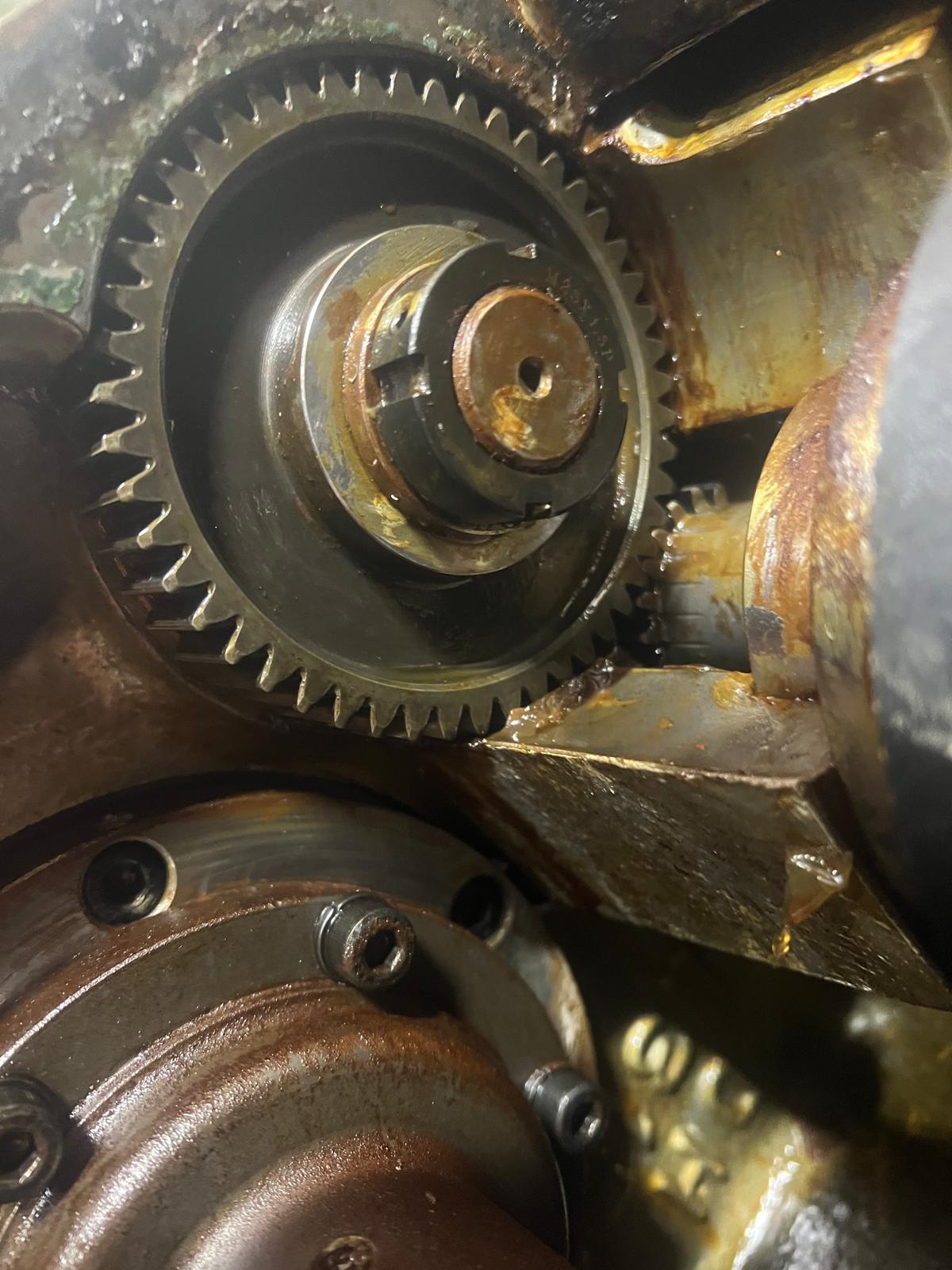
Once the inspection is complete, the CNC machine is carefully disassembled to access and clean its individual components. Dirt, debris, and grease can accumulate over time, affecting performance, so a thorough cleaning is essential.
Labelling: Each part is labelled to ensure it’s correctly reassembled later.
Critical parts inspection: Key components such as ball screws, bearings, and guideways are cleaned and inspected for damage.
Revealing hidden issues: Cleaning often uncovers wear or damage that wasn’t initially visible.
Disassembly and cleaning are key parts of CNC refurbishment, as they ensure the machine is restored to optimal condition.
3. Repairing or Replacing Parts
Following the disassembly, technicians repair or replace any worn or damaged parts. This step is crucial for ensuring the CNC machine operates smoothly after refurbishment.
Regrinding and polishing: Worn surfaces are regrinded to their original specifications.
Bearing replacement: New bearings ensure the machine runs smoothly and reduces vibration.
Guideway and ball screw replacement: Worn or damaged guideways and ball screws are replaced to restore precise movement.
Replacing and repairing parts ensures the CNC refurbishment process restores the machine to peak performance.
4. Control System Upgrade or Recalibration
The control system is the heart of any CNC machine, and during CNC refurbishment, it often needs updating or recalibrating to match modern standards.
Software updates: Outdated software is updated to improve functionality and security.
Recalibration: The control system is recalibrated to ensure precise operation and accuracy.
Control panel refurbishment: Buttons, switches, and displays are tested and replaced as needed.
Upgrading the control system during the CNC refurbishment ensures your machine remains efficient and accurate, keeping up with modern production demands.
5. Reassembly and Lubrication
After repairs and replacements are made, the CNC machine is carefully reassembled according to its original specifications.
Precision reassembly: All parts are meticulously reinstalled to ensure proper alignment.
Lubrication: Moving parts are lubricated to reduce friction and wear.
Alignment verification: Precision tools are used to check the alignment of mechanical parts.
Proper reassembly is crucial to the success of the CNC refurbishment process, ensuring the machine is ready to perform at its best.
6. Testing and Calibration
Before the refurbished CNC machine can go back into operation, it must undergo rigorous testing and calibration to ensure it meets the original performance specifications.
Test runs: The machine is run under normal operating conditions to detect any issues.
Dimensional accuracy checks: Precision checks ensure the machine can produce parts to the required tolerances.
Sensor calibration: All sensors are calibrated for accuracy and consistency.
Testing and calibration are essential to verify that the CNC refurbishment has restored the machine to peak performance.
7. Final Inspection and Quality Assurance
Before the machine is returned to service, it undergoes a final inspection. This step ensures that the CNC refurbishment process has been completed to the highest standards.
Component check: A final review of all parts ensures nothing has been overlooked.
Operational review: The machine is tested to confirm it meets operational requirements.
Once the final inspection is completed, the machine is ready to be recommissioned.
8. Delivery and Recommissioning
The final step in the CNC refurbishment process is delivering the refurbished machine back to the client and setting it up for operation.
Reinstallation: The machine is properly reinstalled and configured for the client’s facility.
Operator training: If the control system has been upgraded, operators may need training on the new software or features.
Post-installation support: Technicians may provide follow-up support to ensure the machine operates smoothly.
At this stage, the refurbished CNC machine is fully operational and ready for production.
Benefits of CNC Refurbishment
Choosing CNC refurbishment over buying a new machine offers several important benefits:
Cost savings: Refurbishing a CNC machine is significantly cheaper than purchasing a new one.
Extended machine life: A properly refurbished CNC machine can serve your business for many more years.
Improved performance: Upgrading parts and control systems can improve precision, speed, and efficiency.
Reduced downtime: A refurbished machine is less likely to experience breakdowns, improving uptime.
Conclusion
CNC refurbishment is a detailed and highly effective process that can bring an ageing machine back to life. It involves thorough inspection, part replacement, system upgrades, and extensive testing to ensure the machine performs as good as new. Opting for CNC refurbishment not only saves costs but also enhances the lifespan and performance of your equipment, making it a smart investment for any manufacturing business.